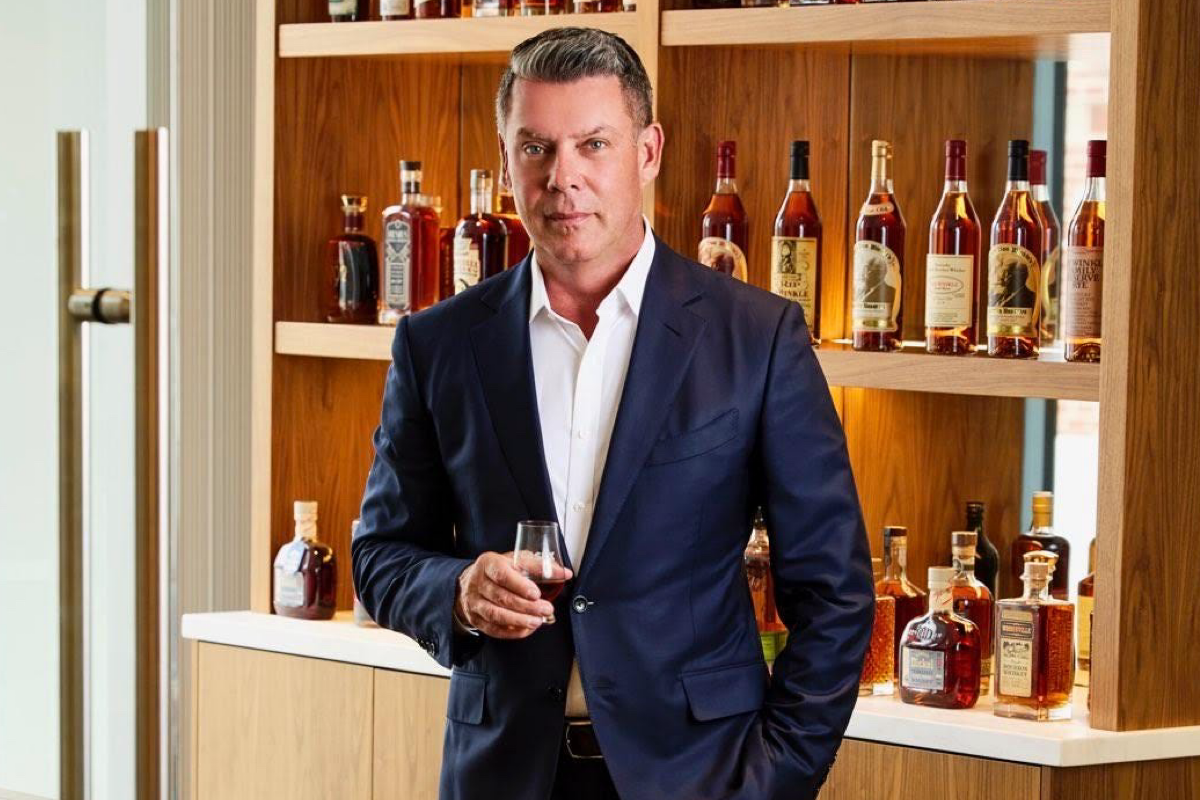
Jeremy Kasler, Founder and CEO of CaskX, has built a career around “passion investments” that let people put money into things they love.
Jeremy loves both whiskey and investing. How could he combine them? His innovative idea was simple—create a way for investors to own individual barrel casks as a long-term alternative asset. Thus, CaskX was born in 2019.
The Found Weekend
Jeremy spends many weekends in the desert, near Joshua Tree, with his wife and dog. “We go to Joshua Tree about every six weeks,” he said. “It’s about a two-and-a-half-hour drive and totally different from LA, where we live most of the year.” That same search for contrast runs through his business journey, from wine to Chinese contemporary art to whiskey barrels.
Jeremy did not begin with whiskey. “I’ve been involved in alternative assets over the years,” he said. In Asia, he started with fine wine investment, primarily in Singapore. After that, he ran a Chinese contemporary art investment business in Hong Kong.
We developed a huge database of alternative investors,” Jeremy said. Many of those clients stayed in touch, even after he sold the art business. They trusted his eye for collectibles that combine emotional appeal and financial potential.
During one particular weekend, a new kind of question started to show up in emails and meetings during his weekends in the desert. “People began asking about investing in whiskey,” he said. So he did what a good alternative asset guy does. He went back to first principles.
“My team and I started to do a little bit of due diligence,” Jeremy said. “We realized the business model was not that different from selling art or wine for investment. People are passionate about whiskey; they love it, and if certain boxes are ticked, there is an opportunity to make money.” When he sold the art business, his noncompete blocked him from selling art.
“I thought, okay, let’s sell whiskey. It was the weekend I found whiskey as an investment. And here we are.”
Launching CaskX in a Global Pandemic
The origin story of CaskX shows how timing and flexibility matter in whiskey investing. Jeremy originally planned to launch his first office in Los Angeles. In March 2020, he was close to signing a lease. The date resonates for all of us.
“I was running around LA in March 2020, ready to sign,” he said. “Then I had to go back to Sydney to finish up some business, but then I got locked down. Australia had very onerous COVID laws.” Instead of LA, the first CaskX office opened in Sydney.
“We set up the business completely remotely,” Jeremy said. “The team was spread across Taiwan, Singapore, the US, Australia, and the UK. Nobody could travel. So we built everything at a distance, and it worked well.”
At first, CaskX focused on Scotch. They sourced new make spirit in Scotland, right at the moment it went into the barrel. “New make is freshly filled,” Jeremy explained. “It has just gone into the barrel and has not aged at all. When you buy it, it is basically one day old.”
The pandemic created an unusual advantage. “Everybody was picking up the phone,” he said. “That sounds simple, but in most phone-based businesses, one of the hardest things is getting people to answer. But now they were home, not spending money on holidays or new cars, and they were ready to talk about investing.”
CaskX opened a second office in Hong Kong to focus on the large alternative investor base that Jeremy had built there during his art days. Later, after navigating government approvals, he finally got back to LA in November 2020. By then, the business had proven that whiskey barrels could anchor a global, remote investment platform.
How Whiskey Works as an Alternative Asset
The company buys large parcels of new-make barrels from partner distilleries. “We might buy a thousand barrels in Scotland,” Jeremy said. “Then we sell them in smaller quantities, say fifty or a hundred barrels, to investors.” Those barrels stay in bonded warehouses near the distilleries rather than shipping across oceans.
CaskX started with Scotch casks stored in Scotland. Over time, client demand pushed them toward bourbon. “We were asked very soon, can we get bourbon?” Jeremy said. “It was always part of the plan. An American product in America for American investors.”
The team reached out to distilleries in Kentucky and Tennessee, completed initial deals, and steadily shifted the portfolio. “Today, I would say about 95 percent of what we do is bourbon in America for American investors,” he said.
Investors own specific barrels rather than a blind pool. CaskX handles sourcing, storage, and eventual exit routes, from bottling partnerships to sales back into the trade.
“We are not strictly speaking an investment fund,” he said. “CaskX is more like a platform that sits between distilleries, warehouses, and clients who want to diversify their investment portfolios in an unconventional alternative asset.”
Jeremy sees whiskey as part of a universe of passion investments. These are assets people enjoy on an emotional level that also have the potential to appreciate. Fine wine and art fit that pattern.
From Jeremy’s point of view, barrels have some structural advantages. “They age over time, which can increase value if the spirit quality and market demand line up,” he said. “They are also finite, because each cask eventually gets bottled. Plus, their supply is constrained by warehouse space, production cycles, and local regulations.
Jeremy told me that investors often respond to that mix of scarcity and tangibility. They can visit a warehouse, see their casks, and track the age statement year by year. It feels quite different from owning a line in an index fund statement.
CaskX also works across borders. The company launched in Sydney, added Hong Kong, and then opened in LA. It connects US investors to American bourbon, but it grew up with a global mindset. For a long time, whiskey investment platforms were more common in the UK and parts of Asia. Jeremy has helped bring the investment model into the US bourbon world.
He also talked about how investors can sell. CaskX works to build channels with bottlers, brands, and distributors so investors have multiple sales plans. The goal is to connect barrels with people who want the whiskey, whether through private-label releases, independent bottlings, or future brand line extensions.
Frequently Asked Questions About Investing in Whiskey
How long should an investor plan to hold a whiskey barrel through CaskX?
Most investors Jeremy works with look at barrels as a medium- to long-term commitment. A typical time frame spans several years, which allows the whiskey to age into a more valuable range. Holding periods vary by strategy, exit channel, and the type of whiskey in the cask.
What kind of investor may be a good fit for CaskX?
Jeremy sees the best fit in people who already like alternative assets and understand that markets move in cycles. They usually have a diversified portfolio and want a slice in something tangible and enjoyable. They also have patience for an asset that sits passively in a warehouse instead of trading daily.
How does CaskX select which distilleries to work with?
The team looks for producers with strong growth plans and technical standards. They also pay attention to the distillers’ brand, story, and long-term positioning, since those elements influence future demand for the whiskey.
What risks does Jeremy emphasize when he talks to new investors?
He reminds people that whiskey, as an alternative asset, does not provide a guaranteed outcome. He encourages clients to allocate funds that fit their long-term investment plan, often in concert with their wealth management or financial planning team.
Can investors bottle their own whiskey from CaskX barrels?
In some cases, investors can work with bottling partners to bring their barrels to market under private labels. That process involves compliance, branding, and distribution. Jeremy’s group helps map those options so clients can decide whether they prefer to sell to the trade, or be a more personal release.
Whiskey and Investing: Two Sides of the Same Coin
In American whiskey culture, most rule-breakers are often distillers, influencers, or restaurateurs. Jeremy is different. He is breaking rules on the financial side. He invites people to think of casks as investment-grade assets.
Jeremy does not focus on investment return potential. Instead, he talks about “boxes that must be ticked,” due diligence, and building trust with both investors and distilleries.
Through CaskX, he has turned casks into an alternative asset. His work adds a unique chapter to how people participate in American bourbon culture.
Located in Beverly Hills, CA, CaskX is one of the leading firms in the growing field of alternative investments in bourbon. For more information on Whiskey Investment 101, the 20 Most Influential Figures in Bourbon History, and how to get started, visit CaskX.
View the full podcast with Jeremy Kasler at whiskeyshenanigans.com. And for more conversations with fascinating people in the whiskey world, check us out on Instagram @whiskeyshaniganspodcast and Facebook.