When I pulled up to Burnt Church Distillery in Bluffton, South Carolina, I listened for the moment their story breaks from the usual script. After interviewing distillers from Colorado to Kentucky, I’ve learned that every region tells its own story through whiskey.
Chris Crowe, president of Burnt Church and a native of Kentucky, kept coming back to one big idea. He wants whiskey that can only come from this place, made with local grain, mash bills, and climate, and with deep respect for Lowcountry history.
A Kentucky Whiskey Guy Who Chose South Carolina
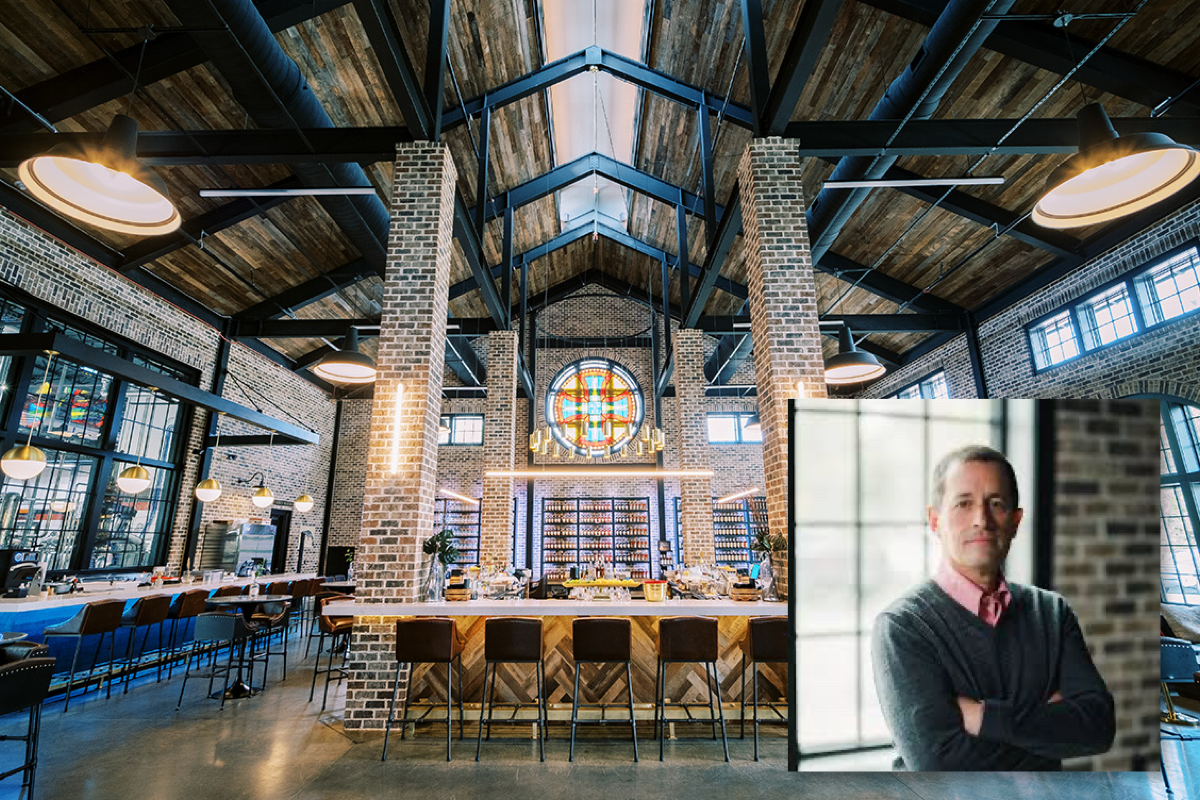
I met Chris at a not-quite-five-year-old glass-and-steel cathedral that is Burnt Church Distillery.
He grew up in Kentucky, lived in Louisville after college, and felt stuck. Then a college roommate invited him to Hilton Head. “I came down here, and I was like, ‘Oh my gosh, this place is beautiful,’” he said. A few months, later he moved, met his future wife, and decided he wanted to build his life here, even if that meant reinventing his career.
Whiskey came with him. When he heard about the Burnt Church project from founders Billy and Sean Watterson, he stayed in touch for years, showing up every six months to check on progress. In 2020, they finally brought him on as one of the first employees, just ahead of opening in March 2021.
Why Lower Proof From the Lowcountry Means Better Whiskey
Most distilleries fight evaporation that increases proof. Burnt Church has the opposite problem, and they’ve turned it into an advantage.
“We go into the barrel at 110 proof,” Chris explained. “And most of our core whiskeys are in the 90, like 92, 95, 97 proof. What we found is that we actually lose proof in the barrel. So we’ll put a whiskey in a barrel at 110, and we dump it, it comes out and it’s about 107 or less.”
The Burnt Church distillery soaks in the South Carolina climate. While Kentucky distillers battle the angel’s share which concentrates alcohol, Burnt Church experiences the opposite. The alcohol evaporates slightly faster than water in their humid coastal environment. The result is that their barrel-strength whiskey comes out closer to bottle strength naturally and requires less water for proofing.
This evaporation process fundamentally changes the character of their whiskey. Less water addition means more of those nuanced barrel flavors make it into your glass unchanged.
Blue Laws and Sports Pubs: Building a Whiskey Destination
When Burnt Church opened in March 2021, South Carolina’s micro‑distillery laws made their business model almost impossible. “At first, a visitor like me could come only once per day, drink no more than four and a half ounces, and had to accept that there would be no beer, no wine, no outside spirits, and no food,” he said. “I had to close at seven and could not open on Sundays.”
Later that same year, state legislation allowed micro‑distilleries to operate more like restaurants, as long as they had a kitchen. Burnt Church did not have one, but the pizza place next door did. They partnered with that kitchen and put the pizza menu in their point‑of‑sale system. Chris told me that he is not sure where the distillery would be today if that law had not changed.
The team has since taken over that neighboring building and turned it into Hail Mary’s, a sports pub with an upgraded kitchen. They now run a full calendar of tours, mixology classes, private events, and live music on the outdoor Square 67 stage. The kitchen uses Burnt Church spirits in sauces and dishes whenever possible.
Many distilleries remain tasting rooms with a few barstools. Burnt Church turned into a Lowcountry destination that created more ways for people to connect the place, the story, and the liquid.
Six‑Grains, Flavored Whiskey, and Agave Spirits
Another rule‑bending choice at Burnt Church is in the mash bills. The standard recipe is the corn‑plus‑one recipe. One of their flagship whiskeys is a six‑grain bourbon that refuses to behave like a gimmick.
The secondary grain is wheat, which gives it the soft profile you expect from a wheated bourbon, but they also add rye, Carolina Gold rice, oats, malted barley, and, of course, corn.
“A six grain is like a weeded bourbon, but with some additional character notes,” Chris said. “One of the things that we’re proud of is the fact that we use all grain sourced from South Carolina.”
Burnt Church also produces cinnamon whiskey, bourbon cream, moonshines, vodkas, gins, and a barrel‑aged agave spirit that drinks like a reposado tequila made in South Carolina.
The team also runs finishing experiments. They have handed barrels to beekeepers and maple syrup producers, then taken the barrels back, rehydrated them, and filled them with whiskey. They are also testing wine‑cask finishes and a double‑oaked version of Anita’s Choice in freshly charred barrels.
Their building itself tells stories. They have doors from a historic Civil War-era church hanging in The Study, their history area. Tours start there, where guide Clinton walks visitors through the story of Burnt Church Road and the area’s rich history, including connections to Gullah culture through their sister restaurant, Ma Daisy’s Porch.
Most Asked Questions About Burnt Church Distillery
Why is the distillery called Burnt Church?
The distillery takes its name from Burnt Church Road, a real road about a mile from the site in Bluffton, South Carolina.
One of the founders, Billy Watterson, kept driving past the road sign, wondered how such an unusual name came to be, and could not find a clear answer in public sources. That mystery led the team to hire a local historian, research the story behind the road, and eventually commission a book about the history and folklore of Burnt Church Road and the surrounding Lowcountry. They chose “Burnt Church Distillery” to honor that local history and to signal that every spirit they make is tied to Bluffton’s stories and landscape.
What makes Carolina Gold rice special in whiskey production?
Carolina Gold is a heritage rice variety that nearly went extinct. It was the premium rice of the American South for over 200 years before disappearing from commercial production. Using it in whiskey connects Burnt Church to regional agricultural history while adding subtle, unique flavor characteristics you won’t find in standard corn-rye-barley bourbon mash bills.
Why does Burnt Church lose proof during aging when most distilleries gain it?
The humid coastal South Carolina environment causes alcohol to evaporate slightly faster than water, the reverse of what happens in drier climates like Kentucky. This phenomenon is related to the same humidity that keeps barrels from drying out. While unconventional, it means their barrel-strength whiskey requires less water. This preserves more of the original barrel character.
How does Burnt Church think about “small batch” quality control?
With batch sizes built of about 15 or 16 small barrels, each release gets individual attention. They taste barrels one by one and blends for consistency with the target profile, not just proof and age. The small scale creates more work in the short term, but it lets the team keep flavor tight as they grow into new states.
How does Burnt Church pick new markets for distribution?
Chris looks for markets where there is both tourism overlap with Hilton Head and an appreciation for premium whiskey. They’re in seven markets now: South Carolina, Georgia, Tennessee, New York City, Florida, Kentucky, and Texas. The team also looks for distributor partners who are willing to build the brand gradually and keep shelf pricing consistent at around $50, even with different state tax structures.
Closing Call: Burnt Church Stories
As we wrapped up, I asked Chris what he hoped visitors would remember when they got home. He answered with a story about his own travels. In Jackson, Wyoming, his family visited Wyoming Whiskey and brought a bottle home. In Puerto Rico, they toured Ron del Barrilito and did the same.
Those bottles now sit in his cabinet. When he pours them, he goes right back to those trips. That is the experience he wants Burnt Church to create. He wants locals to support the place and visitors to carry a bottle home.
When Chris talks about being “authentic and unique and just a little bit different,” he’s acknowledging that great bourbon doesn’t have to come from Kentucky, and that humid coastal aging creates different but equally valid results.
“We want to be that product where if you’re tired of the same old, same old, we’ve got something for you,” Chris said.
After years of interviewing distillers, I can tell you that attitude is uncommon. Too many chase the Kentucky template, but Burnt Church is writing their own.
So head to the Lowcountry, or start by visiting their website at Burnt Church Distillery.
View the full podcast with Chris Crowe at whiskeyshenanigans.com. And for more conversations with fascinating people in the whiskey world, check us out on Instagram @whiskeyshaniganspodcast